
This blog is produced in collaboration with Charles Hambro of GEEIQ.
Gaming and virtual worlds aren’t niche corners of the internet anymore. They're where younger audiences spend their time, form friendships, and express who they are. Brands feel the pull, but most still lack a clear way in.
That’s the gap GEEIQ set out to close.
Stranger Things x Surfer Boy Pizza experience on Roblox, extending entertainment IP into virtual worlds to reach younger audiences.
A clearer view of the virtual world landscape
Gen Z and Gen Alpha now spend more hours in Roblox and Fortnite than on TikTok or YouTube. For brands, the interest is there, but the landscape is complicated. It moves quickly, each platform has its own rules, and reliable data is hard to come by.
Brand teams often end up navigating in the dark: no consistent benchmarks, no shared language for performance, and no clean way to compare opportunities across different platforms.
GEEIQ’s data platform and human expertise provide brands with the strategic insights they need to succeed on Roblox, Fortnite, ZEPETO, and beyond.

L’Oréal Paris activation on Roblox, showcasing how global brands leverage virtual worlds to reach Gen Z audiences at scale.
The team behind the vision
GEEIQ was founded in 2018 by Charles Hambro, James Burden, and Andrew Burden. Before GEEIQ, the trio worked together at Movidiam, a data-driven marketplace that connected brands with creative talent.
That experience shaped the GEEIQ mindset. They saw how quickly new channels become essential, and how hard it is for brands to invest without clear benchmarks. They also learned how powerful good data can be when a market feels fragmented.
So when they watched younger audiences gravitating toward Roblox, Fortnite, and other emerging virtual worlds, they recognized the pattern immediately. The space needed structure, benchmarks, and clarity. GEEIQ was built to provide exactly that.
From early activations to category proof
A lot has changed since the early days. What once felt experimental has become a core part of how brands reach and engage younger consumers. Between 2018 and 2024, 1065 brands entered virtual worlds.
Today, companies like Walmart, L’Oréal, and NASCAR rely on GEEIQ to size activation opportunities, pick platforms, track results, and analyze competitors across virtual worlds.
Accelerated by brands, platforms, and partners
The rise in brand activity has been dramatic: more than half of all brands entering Roblox and Fortnite did so in 2024 alone. That momentum pushed GEEIQ from early market pioneer to essential infrastructure for teams taking virtual worlds seriously.
In 2024, GEEIQ announced a private data partnership with ZEPETO, strengthening cross-platform coverage and making benchmarks more robust for brands. This reflects what’s ahead: broader coverage, richer intelligence, and better tools to help brands navigate a still-forming category.
"GFR Fund has been a key partner in that journey," said Charles Hambro, Co-founder and CEO at GEEIQ. "Their support has gone beyond capital, helping GEEIQ expand platform partnerships, deepen presence in priority markets, and invest in the infrastructure behind the data platform."
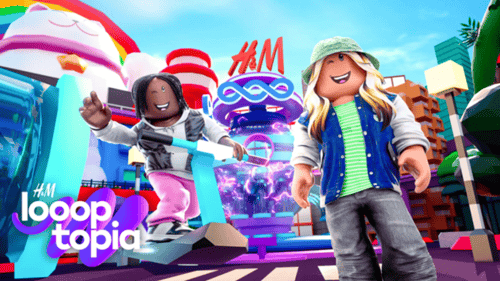
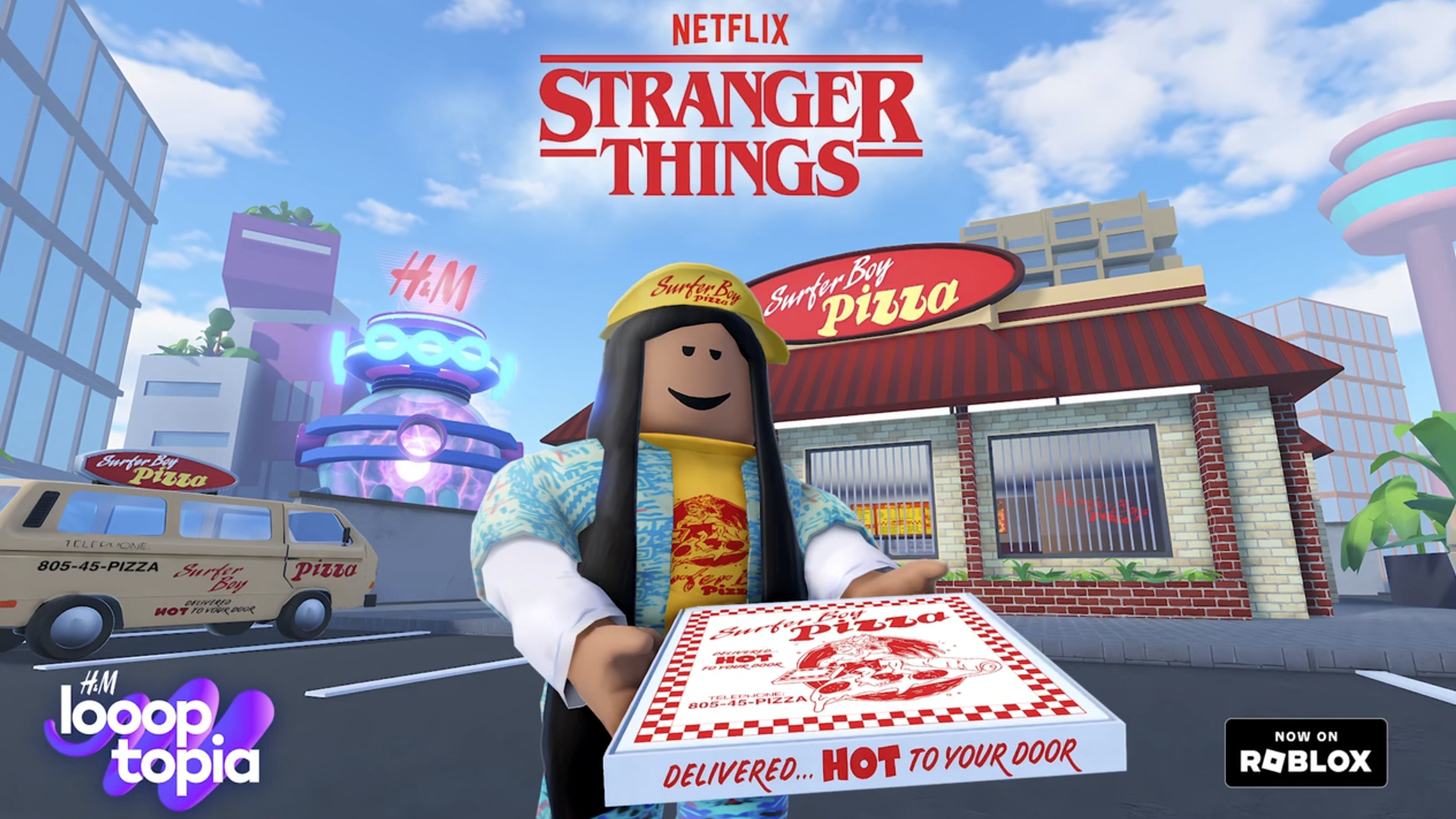
H&M’s Loooptopia on Roblox, a persistent brand experience designed to drive engagement through play and self-expression.
What comes next
Virtual worlds are shifting from top-of-funnel experiments to full-funnel channels. GEEIQ has seen that firsthand, helping Walmart become the first brand to launch real-world commerce on Roblox and ZEPETO.
As e-commerce APIs roll out across platforms and the virtual world ecosystem expands, brands will need clearer guidance on where conversion can happen. They will also need tooling that tracks it properly, from item-level sales to real-world lift. That is a major focus for GEEIQ moving forward.
At the same time, brands are raising the bar on measurement. They want more than a post-campaign readout. They want KPI projections while they are still strategizing.
They also want context. Specifically, benchmarks that show how gaming results compare to other channels. That shift is already shaping how GEEIQ builds.
New platform features deepen what brands can do today. The Geotargeted Integrations feature helps teams find the right Roblox experiences by country and target audience. Private data dashboards let brands track KPIs like audience demographics, CCU, and item sales across ZEPETO, Fortnite, Roblox, and more.
The goal remains the same: make virtual worlds easier to plan, easier to prove, and easier to scale.
If you're an investor or LP looking for partnership opportunities, reach out to us at hello@gfrfund.com. For startups, please pitch to us by filling out this form. We'd love to hear from you!